Delete the Tape: Why Some Artists Are Choosing to Burn Their Unreleased Music Instead of Saving It

There's a whole mythology built around the artist vault. Fans love imagining shelves of hard drives packed with unreleased bangers, forgotten collabs, and raw sessions that never saw the light of day. The fantasy is real — and so is the business case for holding onto it all. But what if the smartest move isn't hoarding everything? What if, sometimes, the most powerful thing an artist can do is hit delete?
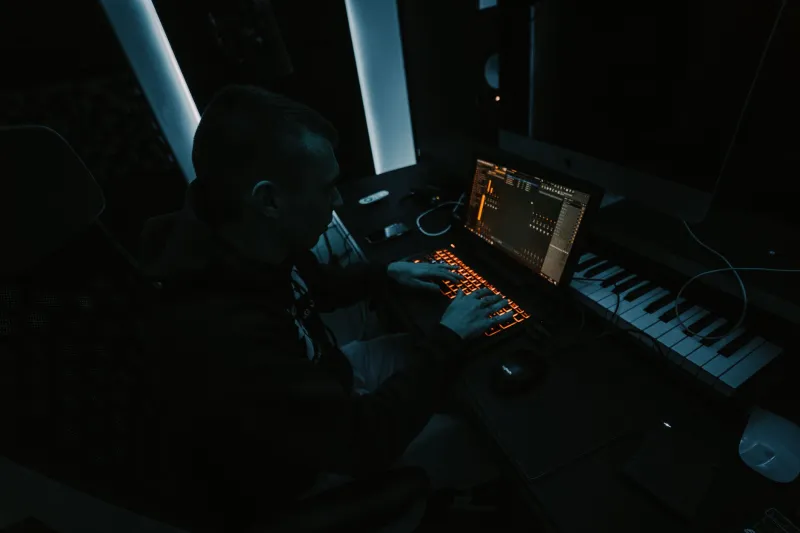
It sounds counterintuitive. In an era where every leaked snippet goes viral and old demos can be repackaged into gold, the idea of deliberately destroying recordings feels almost reckless. But a quiet movement is happening inside studios and creative offices across the country, where artists and their teams are making the calculated decision to erase, shred, or simply refuse to archive certain recordings — not out of carelessness, but out of strategy.
The Problem With Keeping Everything
Here's the thing nobody talks about when they celebrate the vault: not everything in there is a diamond. Some of it is coal. And the longer it sits, the more likely it is to cause problems.
Producers who work with major artists describe it as a kind of creative debt. You keep recording, keep experimenting, keep collaborating — and eventually you're sitting on hundreds of files that range from genuinely great to deeply embarrassing. The issue isn't just quality control. It's control, period.
When artists pass away or sign complicated label deals, their vaults become battlegrounds. Estates fight over what gets released. Labels push out posthumous projects that the artist would have never approved. Bootleggers get their hands on rough mixes and put them out on sketchy platforms. Suddenly, the music that was supposed to define a legacy is being shaped by everyone except the person who made it.
Destroying select recordings isn't nihilism. It's ownership.
Scarcity Is a Creative Tool, Not Just a Business One
Let's talk about mystique for a second. There's a reason certain artists feel larger than life — and it's not always because of what you've heard. Sometimes it's about what you haven't.
When listeners know that an artist is selective, that they don't just flood the market with every session and half-finished idea, the music that does exist carries more weight. Every track feels intentional. Every release feels like it survived a serious filter.
Music strategists point to this as one of the most underutilized levers in an artist's career. When fans believe that what they're hearing represents a genuine standard — not just whatever made it through the assembly line — the emotional connection runs deeper. You're not just listening to a song. You're listening to something that earned its way out of the room.
Deliberately removing recordings from the equation reinforces that standard. It sends a message: not everything gets out. The stuff that does? It meant something.
When Holding On Becomes a Liability
There's a specific kind of damage that comes from the wrong recording surfacing at the wrong time. Artists who were experimenting with a sound they later abandoned, collaborations with people who became controversial, lyrics that don't reflect who they are now — these aren't just embarrassing. They can actively undermine the narrative an artist has spent years building.
Labels and management teams are increasingly factoring this into long-term career planning. The conversation isn't just "what do we release next?" It's also "what do we make sure never comes out?" That second question requires intentional action, not just neglect. Neglect is how things leak. Intentional deletion is how artists stay in control of their own story.
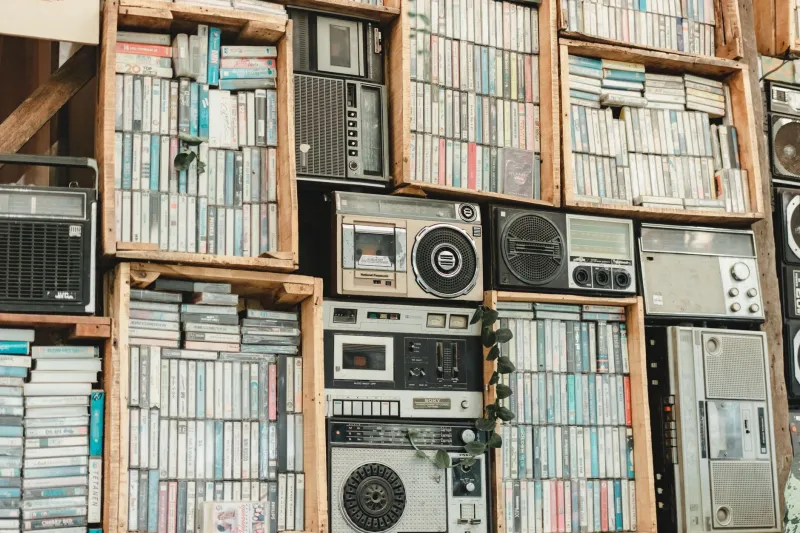
Producers who've worked across multiple generations of artists describe a shift in how serious creators approach their archives. Where earlier eras were about preserving everything — partly because storage was expensive and partly because the culture romanticized the archive — newer artists are more ruthless. They understand that the internet never forgets, and they'd rather make the decision themselves than let fate make it for them.
The Emotional Weight of Letting Go
None of this is easy. Ask any artist about deleting their own work and you'll hear a version of the same conflict. There's grief in it. Even a rough demo represents hours of effort, a specific moment in time, a version of yourself that existed when you made it.
But that grief is also part of the point. The decision to destroy something carries weight precisely because creation carries weight. Artists who've gone through the process describe it as clarifying — a way of drawing a hard line between who they were and who they're becoming.
It also changes how they approach new recordings. When you know that not everything survives, you show up differently to the session. There's less comfort in the idea that you can always fix it later or release it as a bonus track someday. The work has to justify itself in the moment.
What This Means for the Fan Relationship
Here's where it gets interesting from a community standpoint. Fans who know their favorite artist is selective — genuinely selective, not just slow — tend to engage differently. They dig deeper into what does exist. They reinterpret catalog tracks. They treat each new release like an event rather than another drop in the feed.
That kind of engagement is worth more than raw stream numbers. It's the difference between an audience and a community. And building a community around music that feels curated, intentional, and rare is one of the most durable things an artist can do for their long-term career.
Artists who communicate openly about their creative standards — even without explaining every decision — create a culture of trust around their work. Fans start to understand that if it came out, it came out for a reason. If it didn't, there was a reason for that too.
So When Should You Actually Hit Delete?
There's no universal answer, but the framework that keeps coming up in conversations with producers and strategists goes something like this: if a recording no longer reflects your current artistic identity, if it could be weaponized against your narrative, or if releasing it would dilute the impact of your existing catalog — it might be worth letting go.
The vault is only a power move if what's inside it is actually powerful. Filling it with everything you've ever recorded, indiscriminately, turns it from an asset into a liability waiting to happen.
The artists who understand this aren't afraid of deletion. They see it as part of the creative process — the final edit, the one that happens not in the mixing room but in the archive.
Sometimes the boldest thing you can do with a recording is make sure it never exists again. And sometimes that decision is what makes everything else feel like it was always meant to be heard.