Your Back Catalog Is a Gold Mine — Here's How Smart Artists Are Finally Cashing In
Most artists spend the majority of their energy chasing what's next. The next single, the next album cycle, the next tour announcement. And that hustle makes sense — the music industry rewards momentum. But a growing number of artists are flipping that mindset entirely, turning their attention backward and discovering something surprising: the stuff they already made might be worth more than anything they're currently recording.
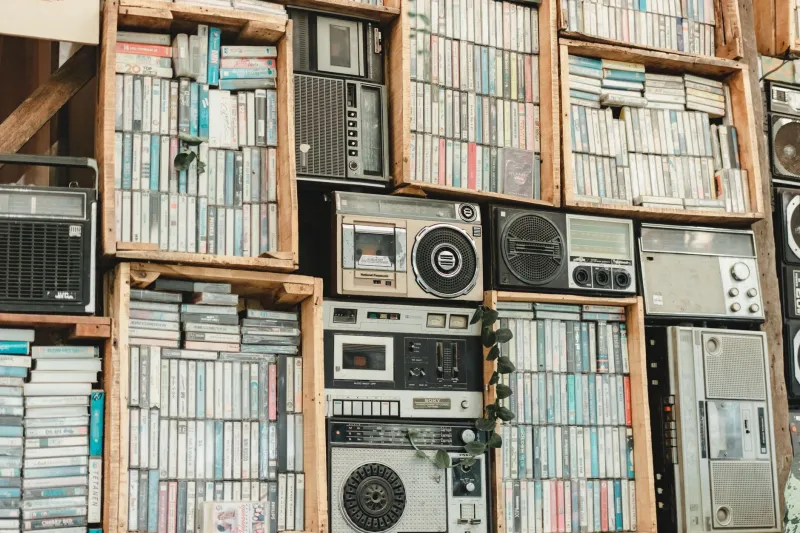
We're talking about the vault. The archive. That hard drive stuffed with half-finished demos, the box of cassette tapes in your parents' basement, the unreleased studio sessions from a label deal that never panned out. For a long time, artists treated this material like clutter. Now? They're treating it like a stock portfolio.
The Mindset Shift That Changes Everything
Here's the core idea: music doesn't depreciate the way most people assume it does. A song recorded five years ago doesn't lose value just because it wasn't released. In fact, for an artist with a growing fanbase, older recordings can actually gain cultural weight over time. Fans who discover an artist in 2024 are hungry for context — they want to understand the full arc, not just the current chapter.
That's exactly why artists like Taylor Swift have turned catalog ownership into a cultural conversation, and why legacy acts from Fleetwood Mac to Jay-Z have seen their older material generate massive streaming numbers without a single new note being recorded. The archive isn't a graveyard. It's inventory.
For independent artists especially, adopting this perspective is a game-changer. You don't need a major label's marketing budget to benefit from your back catalog — you just need to start treating it like the asset it actually is.
Step One: Know What You Actually Have
Before you can monetize anything, you need to do the work nobody talks about: cataloging. And we mean really cataloging — not just knowing you have a folder somewhere called "old stuff."
That means going through every recording you've ever made and creating a proper inventory. Document the title, the recording date (even an approximate year helps), the collaborators involved, whether it's been previously released, and what format it exists in. There are tools built specifically for this kind of organization — platforms like Songspace and Songtrust help artists manage metadata and publishing information, while even something as simple as a well-structured Google Sheet can serve as a working archive database.
The goal here isn't just tidiness. It's clarity. When you know exactly what's sitting in your catalog, you can start identifying what has commercial potential, what might resonate with your current audience, and what could be licensed, re-released, or bundled into something new.
Licensing: The Quiet Revenue Stream Nobody Talks About Enough
One of the most underutilized strategies for back catalog monetization is sync licensing — getting your music placed in TV shows, films, commercials, video games, and digital content. And here's the thing: older recordings are perfect for this market.
Sync supervisors are constantly hunting for music that sounds authentic to a specific era or mood. That lo-fi bedroom recording you made in 2017 might be exactly what a Netflix series needs for a flashback scene. That instrumental beat you shelved because it didn't fit your last project could land in a car commercial and generate more revenue than three months of streaming royalties.
Platforms like Musicbed, Artlist, and Songtradr make it relatively accessible for independent artists to get their catalog in front of music supervisors. The key is having your metadata clean, your licensing terms clear, and your masters properly registered — which circles right back to that cataloging work we just talked about.
Re-Releases, Anniversaries, and the Art of Repackaging
Another move that's gaining traction is the strategic re-release. Artists are looking at their catalog and identifying records or projects that have emotional resonance with their audience — then building full campaigns around bringing those projects back into the spotlight.
Anniversary editions are a proven model here. A 10th anniversary deluxe release of an album, complete with bonus tracks from the original sessions, handwritten lyrics, and a behind-the-scenes documentary, transforms a back catalog moment into a full-blown cultural event. It gives long-time fans something to celebrate and gives newer fans a reason to dig deeper.
Even without a formal re-release, artists are finding creative ways to resurface old material. Dropping a "from the vault" single with a personal note about its origins. Sharing a voice memo demo on socials alongside the polished version. Hosting a listening session — virtual or in-person — built around an older project. These moves cost almost nothing but generate genuine fan engagement and renewed streaming activity.
Protecting the Archive Before It's Too Late
Here's a hard truth: a lot of artists lose control of their catalog not because they don't care, but because they didn't set things up properly early on. Unclear ownership splits, unsigned collaboration agreements, and unregistered copyrights can turn your archive from an asset into a legal headache.
If you haven't already, register your works with ASCAP, BMI, or SESAC — whichever PRO you're affiliated with. Make sure your publishing is properly set up, either through a publisher or a self-publishing entity you control. And if you've collaborated with other artists on unreleased material, get those ownership conversations on paper before you try to monetize anything.
For artists who have been creating for years without thinking much about the business side, this can feel overwhelming. But there are music attorneys and indie-friendly services like DistroKid and CD Baby that offer catalog management tools to help you get organized without needing a full legal team.
The Long Game Is the Real Flex
What separates artists who build lasting careers from those who burn bright and fade is often this: the ability to think beyond the current moment. Your catalog is a living document of your creative journey, and every piece of it has potential value — financial, cultural, or both.
The artists who are winning long-term aren't just dropping hits. They're curating legacies. They're building archives that their fans can explore for years. They're treating every recording session as a deposit into an account that pays dividends down the road.
So if you've got a hard drive full of music you've never released, sessions you thought were dead ends, or projects that got shelved for reasons that no longer apply — it might be time to dust those off and take a second look. What felt like clutter yesterday could be your most valuable asset tomorrow.
The vault isn't a storage unit. It's a portfolio. Start managing it like one.