The Stage Is the Strategy: Why Touring Has Become the Smartest Business Move in Music
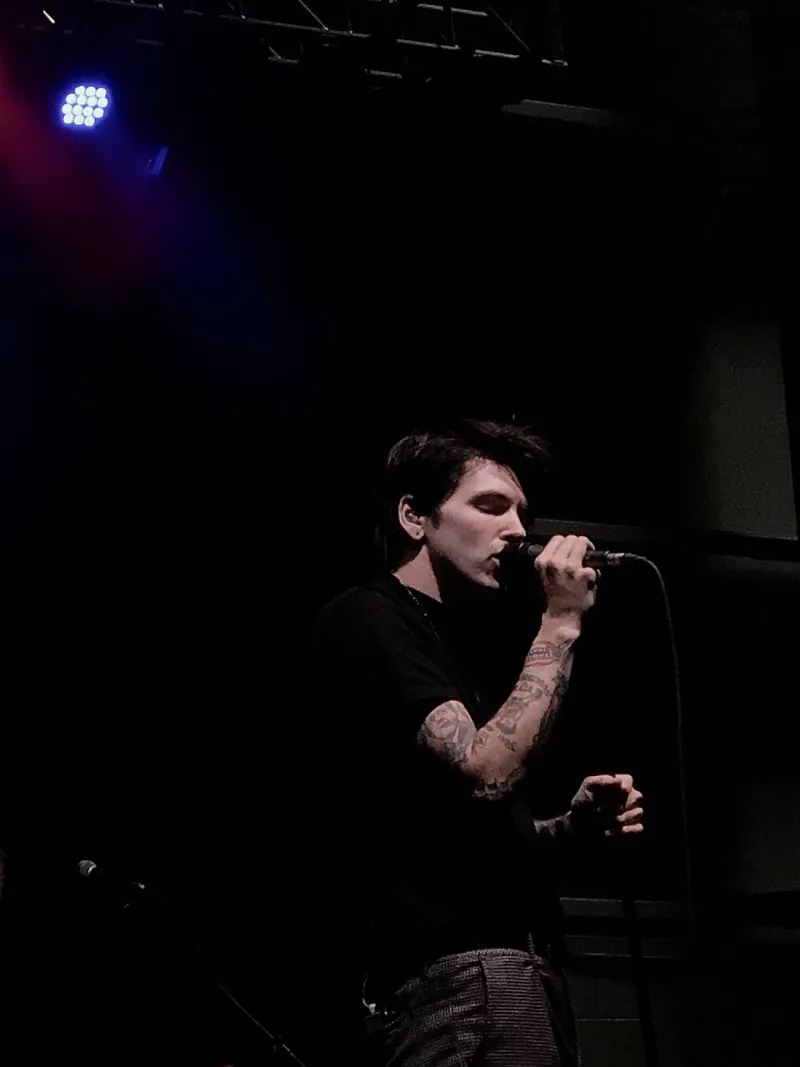
Photo: Briannabudner, CC BY-SA 4.0, via Wikimedia Commons
A Complete Flip in the Business Model
For most of music history, the album was the main event. Tours existed to support it — a way to generate buzz, move units, and keep the artist's face in front of the public between releases. That model made sense when physical sales were the primary revenue source. It made sense when radio spins determined cultural relevance.
It doesn't make as much sense anymore.
Today, the live show has moved from supporting role to center stage — pun fully intended. For a growing number of artists, particularly those operating independently, touring is the business. The music drives fans to the shows. The shows drive merch sales, email list signups, and social media growth. The data collected from all of that drives smarter decisions about everything from where to book next to what to record. It's a self-reinforcing flywheel, and it starts with getting in front of people.
The Economics of Playing Live
Let's talk money, because that's ultimately what makes a career sustainable.
At a sold-out show in a 300-capacity club in a mid-size US market — think Nashville, Austin, Denver, or Portland — an independent artist might net anywhere from $1,500 to $4,000 from the door, depending on ticket price and deal structure. Add merch sales to that equation — and a well-run merch table at a live show can move product at two to three times the rate of an online store — and a single night can generate $3,000 to $8,000 in total revenue.
Run 40 shows over a six-week tour and the math starts looking like a real income. Not a fortune, but a foundation. A sustainable one that doesn't require a label advance, a viral moment, or algorithmic luck.
The key is keeping costs controlled. Smart touring artists are ruthless about routing — minimizing drive time between markets, sharing costs with supporting acts, and choosing venues that offer a fair split rather than chasing prestige bookings that don't make financial sense. A 200-cap room that's packed and loud will always beat a 1,000-cap room that's half empty.
Small Rooms, Big Connections
There's something that happens in an intimate venue that simply cannot be replicated in an arena. The artist can see every face. Fans can feel the breath in the room, the energy bouncing between the stage and the crowd. Someone in the front row might make eye contact with the person who wrote the song they've been listening to every morning for six months. That moment is irreplaceable.
Artists who understand this are deliberately choosing to stay in smaller rooms longer than their popularity might demand. It's a counterintuitive move — why play a 500-cap venue when you could potentially fill 2,000 seats? — but the logic is sound. A sold-out 500-cap room creates an experience that fans talk about for years. It creates the mythology that turns casual listeners into lifelong devotees.
Beyoncé didn't build her legacy by playing it safe. Neither did Frank Ocean, Tyler the Creator, or any number of artists who've cultivated almost cult-like fanbases. Many of them have spoken about the power of intentional intimacy early in their careers — choosing depth of connection over breadth of exposure.
For independent artists still building, that philosophy is even more relevant. Every person in that room is a potential ambassador. Treat them like one.
The Surprise Show as a Cultural Moment
One of the more interesting strategies to emerge in the last few years is the deliberate use of unannounced or surprise shows. An artist drops a cryptic post, gives fans 24 hours notice, and announces a free or low-cost show at an unexpected venue. A record store. A parking lot. A local bar that holds 150 people.
The effect is electric. Fans who make it feel like they've won something. Social media lights up. People who couldn't attend feel genuine FOMO. The artist earns a reputation for being spontaneous, accessible, and genuinely connected to their audience — qualities that are increasingly rare and therefore increasingly valuable.
These moments aren't just good vibes. They're strategic brand-building. They generate content, conversation, and loyalty in a way that a standard tour date simply doesn't. And they're relatively low-cost to execute, which makes them accessible to artists at almost any stage of their career.
Data Is the Hidden Asset
Here's something most artists aren't thinking about when they step on stage: every show is a data collection opportunity.
Email lists are the most obvious example. A simple sign-up sheet or QR code at the merch table — offering something in return, like an exclusive download or early access to future tickets — can build a direct communication channel that no algorithm can interfere with. Unlike social media followers, an email subscriber is a fan you can reach directly, on your terms, indefinitely.
Beyond email, touring generates geographic data that's genuinely useful. Which cities sold out fastest? Where did fans drive in from other markets to see the show? Where did merch sell particularly well? This information tells an artist where their real strongholds are, which should directly inform future routing decisions.
Some artists are even using ticketing platforms that allow them to capture demographic information, enabling them to understand their audience in granular ways that streaming platforms don't provide. This data has real value — not just for booking decisions, but for brand partnerships, sponsorship conversations, and long-term strategic planning.
Building a Tour That Builds a Career
The most effective touring strategies aren't just about maximizing short-term revenue. They're about building the kind of career that lasts.
That means thinking carefully about support slots. Opening for a more established artist in a larger market is often worth more than headlining a smaller show in the same city — the exposure to an unfamiliar audience can convert a percentage of those attendees into fans who'll come back for your headline shows down the road. It's a long game, but artists who play it consistently tend to compound their results over time.
It also means investing in the show itself. Production doesn't have to be expensive to be effective. Lighting, a coherent visual aesthetic, intentional setlist construction — these elements communicate professionalism and signal to audiences that this artist takes their craft seriously. Fans respond to that. They come back. They bring friends.
There's also real value in developing relationships with independent promoters and venue bookers in key markets. These are the people who can offer you a slot when a bill changes last minute, who'll advocate for you when programming decisions are being made, and who'll remember that you delivered a great show and a respectful professional experience when it's time to level up.
The Stage Is Where It All Comes Together
Streaming has its place. Social media has its place. But there's a reason that even the most digitally native artists — the ones who built their entire following online — eventually make the pivot to playing live.
The stage is where music stops being content and starts being an experience. It's where fans stop being followers and start being community. And for the artist who's serious about building something that lasts, it's where the real work — and the real reward — lives.
Get out there and play.