No Label, No Problem: How Independent Artists Are Building Empires from Their Living Rooms
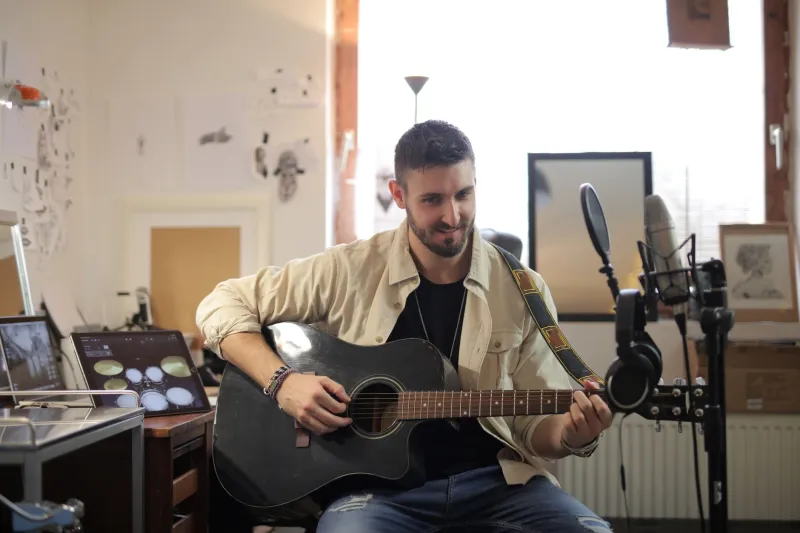
Not too long ago, breaking into the music industry meant one thing: catching the attention of someone in a suit who worked in a glass tower somewhere in New York or Los Angeles. You needed their blessing, their budget, and their rolodex. Today? You need a decent mic, a Wi-Fi connection, and a willingness to show up consistently. That's genuinely it.
The independent artist revolution is real, and it's loud. Across the country, musicians are going from recording in closets full of hanging clothes (yes, for the acoustic treatment) to selling out venues — all without a single major label contract. So how does it actually happen? Let's break it down.
Start With Your Sound, Not Your Strategy
Here's the thing that a lot of "how to blow up" guides skip over: none of the tools matter if the music isn't connecting with people. Before you think about algorithms or posting schedules, spend real time developing what makes you you. Your sonic identity is the foundation everything else gets built on.
That doesn't mean you need to be completely original in some impossible way. It means your music should feel like it couldn't have come from anyone else. Fans — real, loyal fans — follow artists, not songs. They want to feel like they found something that belongs to them. Give them that.
Build Your Home Base Before You Branch Out
Social media is loud and chaotic, but your streaming presence is your permanent address. Get your music on Spotify, Apple Music, Amazon Music, and Tidal through a distributor like DistroKid, TuneCore, or CD Baby. These platforms are where casual listeners become repeat listeners, and repeat listeners become fans.
Once you're up, claim your Spotify for Artists profile and actually use it. Update your bio, pin your latest release, and keep your artist photo current. It sounds basic, but you'd be surprised how many artists skip these steps and then wonder why their profile feels abandoned.
Pitch your tracks to Spotify editorial playlists at least a week before release. You won't always land them, but when you do, the impact is real. In the meantime, chase independent playlist placements — reach out directly to playlist curators in your genre. A warm, genuine message goes a lot further than a copy-paste pitch.
Social Media: Show Up Like a Human, Not a Billboard
Here's where a lot of artists get it wrong. They treat their social media like a flyer wall — just endless promotion with no personality. Nobody follows a flyer wall.
The artists who actually build communities show their lives, their process, and their perspective. They post the messy studio sessions alongside the polished singles. They respond to comments. They go live and just talk to whoever shows up. They make their followers feel like insiders.
For platform strategy in 2024, think of it this way:
- TikTok and Instagram Reels are your discovery engines. Short-form video is how new ears find you.
- Instagram Stories and Threads are where you maintain warmth with people already paying attention.
- YouTube is your long-game asset — music videos, vlogs, and live sessions that live forever and keep working for you.
- Discord or a private community is where your most devoted fans live. This is your inner circle, and it's worth building early.
Consistency beats perfection every single time. Posting three times a week reliably will outperform a viral burst followed by two months of silence.
The Email List Nobody Talks About (But Should)
Social platforms come and go. Algorithms change. Accounts get restricted. Your email list? That's yours. No platform can take it away.
Start collecting emails from day one. Offer something in return — a free download, early access to tickets, an exclusive demo. Tools like Mailchimp or ConvertKit make this easy and affordable. Even if your list is small at first, those are the people most likely to show up for you when it counts.
Live Shows Are Still the Secret Weapon
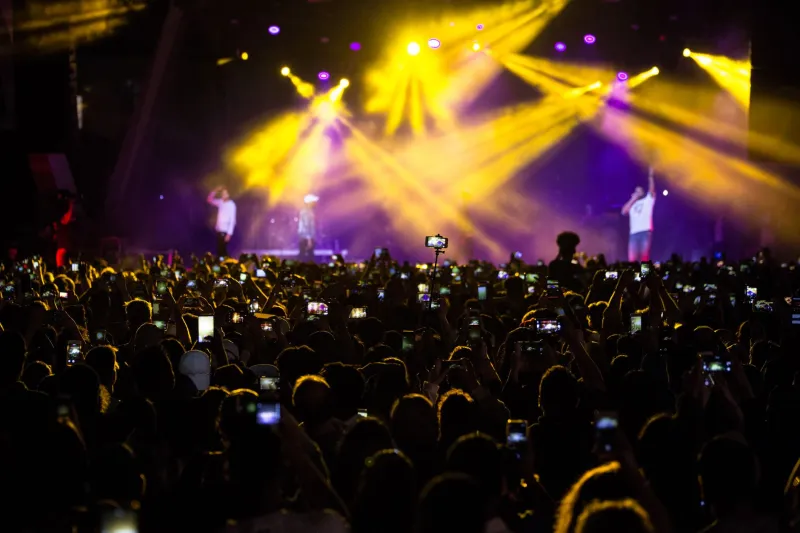
Streaming numbers are great. A packed room is better. There's something about a live performance that converts casual listeners into true believers faster than anything else.
Start local. Play every open mic, every small venue, every house show you can get. Build relationships with other artists in your scene — cross-promotion is one of the most underused tools in an independent artist's kit. When you're ready to expand, look into regional touring. Partner with artists in other cities who have a similar audience and do a run together. Split the costs, split the crowds, double the reach.
Document everything. The pre-show nerves, the soundcheck chaos, the crowd singing back your lyrics. That content is gold for your social channels and it makes fans feel like they're part of the journey even when they're watching from home.
Community Is the Strategy
At the end of the day, the artists who break through aren't just good musicians — they're good at making people feel something. Not just through the music, but through every interaction. The comment they replied to. The fan they called out during a live stream. The behind-the-scenes moment they shared instead of hiding.
Here at ZEB Official, we've seen it firsthand: the community is everything. When fans feel genuinely connected to an artist, they become advocates. They share the music, they buy the merch, they show up to the shows, and they bring their friends. That's not a marketing funnel — that's a real relationship.
The bedroom studio can absolutely lead to the festival stage. It just takes showing up, staying authentic, and treating every single person who gives you their attention like they matter. Because they do.
You've got the music. Now go build the world around it.