Pull Back the Curtain: Why Artists Who Show Their Work Are Winning Fans for Life

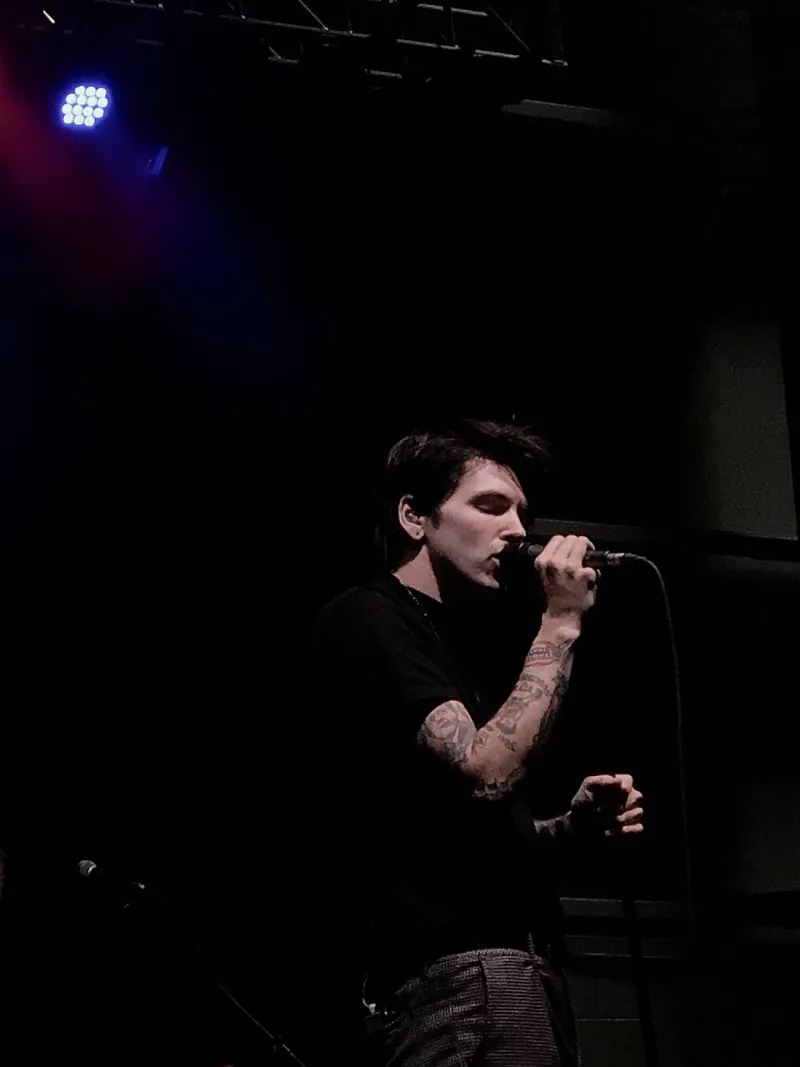
Photo by Photo by Oleg Brovchenko on Unsplash on Unsplash
For a long time, the mystique was the point. You didn't know how the music got made. You didn't know what the studio looked like, what the producer said, how many takes it took to nail that vocal. The finished product arrived fully formed, and you were supposed to be amazed. Distance was part of the brand.
That model still exists, but it's quietly losing ground to something different — and honestly, something more interesting. Artists who open the door to their creative process aren't just being transparent. They're building something that outlasts any single release: a community of people who feel genuinely connected to the work because they watched it come to life.
The Shift From Finished Product to Living Process
A few things converged to make this moment possible. Livestreaming got easy. Short-form video made behind-the-scenes content native to social platforms. And audiences — especially younger ones — developed a real appetite for authenticity over polish.
But there's something deeper going on too. Fans have started to value understanding an artist as much as consuming their output. It's not enough to love the song; people want to know where it came from, what the room smelled like when it was written, what the artist was going through. The process is part of the story now.
And artists who figured that out early are reaping serious rewards.
Livestreams as Living Rooms
One of the most direct ways this is playing out is through studio livestreams. Artists logging onto Twitch, YouTube Live, or Instagram and just... making music. In real time. With chat running alongside it.
What sounds mundane in description is actually remarkable in practice. Watching someone build a beat from scratch, experiment with a melody, scrap something and start over — it creates a kind of intimacy that a perfectly mixed single never could. You're not just a listener. You're a witness.
Producers have been especially effective here. Beatmakers who might have zero name recognition among casual listeners have built massive, loyal followings by simply showing their workflow — what plug-ins they use, how they chop samples, the decision-making behind arrangement choices. That knowledge-sharing creates community. People come for the content, stay for the connection, and become evangelists for the artist's work.
For musicians operating in the ZEB ecosystem, this kind of accessibility isn't a departure from the artist-fan relationship — it's an extension of it. The idea that fans are part of the world an artist is building, not just spectators to it, is exactly what this kind of content delivers.
Demystifying Without Diminishing
The obvious concern is that showing too much kills the magic. If fans can watch you struggle through a chorus for forty minutes, does the finished song hit differently?
The evidence says no — or more accurately, it says the opposite. When fans watch the struggle, the finished product carries more emotional weight, not less. They know what went into it. They have context. That context deepens the listening experience rather than cheapening it.
Think about how cooking shows work. Watching a chef break down exactly how a dish is made doesn't stop you from appreciating the meal — it makes you appreciate it more. Music works the same way. Transparency doesn't dissolve the magic; it reframes it.
There's also a practical reality: most casual listeners aren't going to replicate what they see. Knowing that a producer used a specific synthesizer or that a vocal was recorded in a specific way doesn't suddenly make everyone a music-maker. It just makes them a more informed, more invested fan.
New Revenue Where You Least Expect It
Here's the business angle that a lot of artists are starting to understand: process content isn't just a fan engagement strategy. It's a revenue stream.
Paid communities built around exclusive behind-the-scenes access are generating real money for artists who would have previously relied entirely on streaming revenue and merch. Platforms like Patreon let artists offer tiered access — maybe the general public gets occasional clips, but paying subscribers get full session recordings, Q&As about technique, and early listens to unreleased material.
Online courses and workshops are another lane. Artists and producers who've built credibility by openly sharing their knowledge have turned that credibility into educational products. A producer with 200,000 followers who trusts them because they've watched the work firsthand is a built-in customer base for a beat-making course or a mixing tutorial series.
Even the livestreams themselves can monetize directly through tips, subscriptions, and platform-specific features. The content that used to feel like "giving it away" is now a legitimate income source.
What This Means for the Artist-Fan Relationship Long Term
The shift from mystery to accessibility is changing what fans expect from artists — and what artists can expect from fans in return.
When someone has watched you work, they're invested in a fundamentally different way than someone who just heard your song on a playlist. They've given you their time in a more active sense. They've made a choice to show up for the process, not just the outcome. That creates a different kind of loyalty — stickier, more personal, more likely to translate into the behaviors that actually sustain a career: buying tickets, purchasing merch, spreading the word.
It also flattens the relationship in a way that feels right for this moment. Artists who share their process aren't positioning themselves as untouchable geniuses handing down work from on high — they're collaborators in an ongoing creative conversation. And fans respond to that. They feel seen. They feel like they're part of something.
Openness as a Long Game
None of this means every artist needs to be streaming their sessions daily or posting every rough demo. The execution matters, and it should fit the artist's actual personality and brand. Forced transparency reads as fake almost immediately.
But for the artists who genuinely enjoy the creative process — who find meaning in the making, not just the finished product — leaning into that openness is one of the smartest things they can do right now. It builds community. It generates content. It creates revenue. And it deepens the kind of fan connection that no algorithm can replicate.
The curtain is already halfway up. The artists pulling it back the rest of the way are finding something good on the other side.