Music That Money Can Hear: Inside the Private Feature Economy
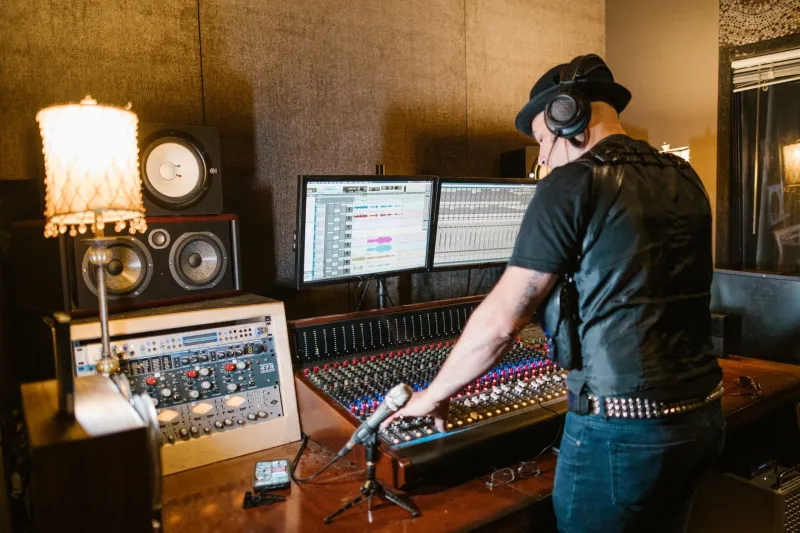
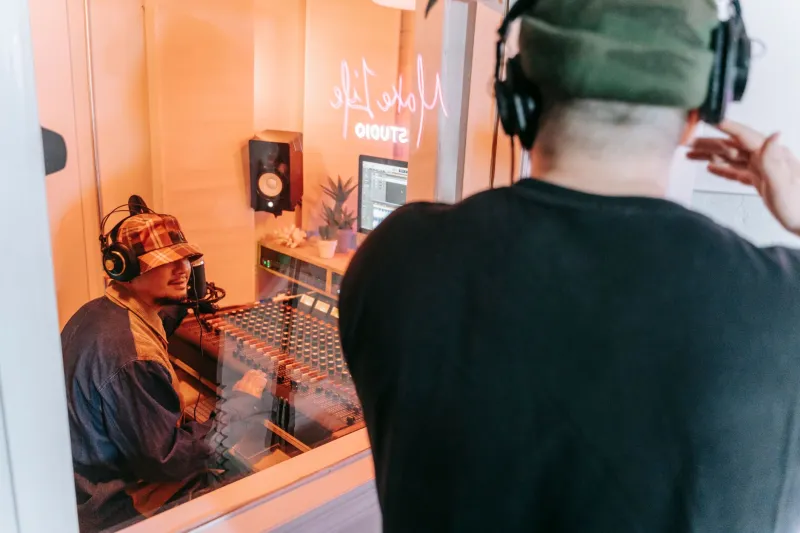
Somewhere right now, a track exists that you will never hear. It's got a real feature on it — a name you'd recognize, a voice that's moved millions of people — and it was recorded in a proper studio with real intention behind it. But it wasn't made for you. It wasn't made for streaming. It wasn't made for the charts or the algorithm or the culture.
It was made for one person, or one room, or one moment that most of us will never be part of.
This is the ghost feature economy, and it's more active than the industry publicly acknowledges.
What We're Actually Talking About
The concept isn't entirely new. Wealthy patrons commissioning private performances goes back centuries. But what's happening now in music has a specific modern shape that's worth examining closely.
At its most basic level, the ghost feature economy works like this: an artist — usually someone with significant cultural cachet — records a feature, a custom track, or a full session for a private buyer. The music might get played at a billionaire's birthday party in the Hamptons. It might sit in a collector's hard drive as a legitimate one-of-one asset. It might be licensed exclusively to a corporation for internal use that never goes public. Or it might fund an independent artist's entire year while they quietly work on music they actually want to release.
The transaction is real. The music is real. The public never hears it.
The Economics Make Uncomfortable Sense
Here's the thing about streaming: the math is brutal. Even artists with serious catalog and genuine listener bases are pulling fractions of a cent per stream. To make meaningful money from recorded music alone, you need numbers that most artists — even good ones — will never see.
Private commissions flip that equation entirely. A single custom track for the right buyer can generate more revenue than months of streaming income. For artists who have built enough of a name to command that kind of rate, it's not a strange choice — it's a rational one.
This is especially true for artists who have deliberately built an air of exclusivity around their work. When scarcity is already part of your brand, offering something that is literally unavailable to the general public isn't a contradiction. It's an extension of the same logic.
The Collector Market Angle
The NFT boom introduced a lot of people to the idea of music as a collectible asset, and while that particular wave has cooled significantly, the underlying appetite it revealed hasn't gone anywhere. There is a real market of wealthy collectors who want to own cultural artifacts — not just experience them.
A one-of-one recording featuring a major artist, delivered with proper documentation and exclusivity guarantees, fits neatly into that collector psychology. It's not just music. It's proof of access. It's a story you get to tell at dinner. It's an asset that may appreciate if the artist's cultural stock rises.
Some artists and their management teams have started treating this market with real intentionality, developing tiered offering structures where private commissions sit at the top of a pyramid that includes public releases, limited editions, and fan club exclusives at lower price points.
The Ethics of Invisible Labor
This is where it gets genuinely complicated, and it's worth sitting with the discomfort for a minute.
When a musician records something privately, they're spending creative energy — the same energy that their public audience has come to rely on. If a beloved artist spends three months recording private commissions for wealthy clients, that's three months they're not spending on the album their fans have been waiting for. The transaction is invisible to those fans, but the opportunity cost is real.
There's also a class dimension here that's hard to ignore. Music has always been democratic in its consumption — a song that costs a billionaire nothing to stream costs a teenager nothing either. The ghost feature economy creates a tier of musical experience that is explicitly inaccessible based on wealth. That's not illegal, and plenty of luxury goods work this way. But it does represent a meaningful shift in what music can be and who it's for.
Artists navigating this space tend to draw their own lines. Some are comfortable with private event performances but won't do custom recordings. Others will do recordings but retain the right to release them publicly after a set period. The negotiations are as varied as the artists involved.
What This Says About Where Music Is Heading
The ghost feature economy is a symptom of a larger reality: the traditional model of releasing music publicly and monetizing through streams and sales is simply not working for most artists at most levels of the industry. People are improvising. They're finding value wherever they can.
In some ways, this is a return to older models — the court musician, the commissioned composer, the private performer. Art made to order for the people who can afford to order it. In other ways, it's something genuinely new, shaped by the specific economics of the streaming era and the cultural mechanics of celebrity.
Whether it's the future or just a current workaround is hard to say. But the music is being made, the money is changing hands, and somewhere in a room you'll never enter, a song is playing that you'll never hear.
Maybe that's fine. Maybe it's not. Either way, it's happening.