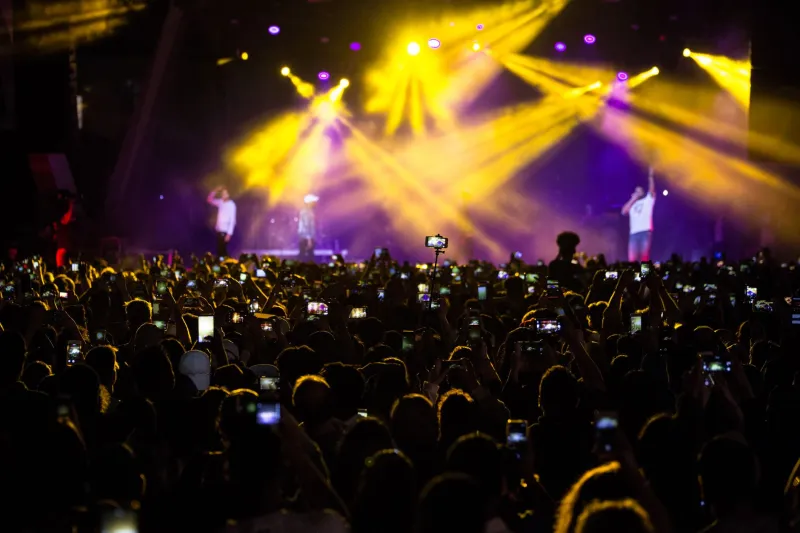
Two Names on the Track: Why Artist Collaborations Are Now the Most Powerful Move in Music
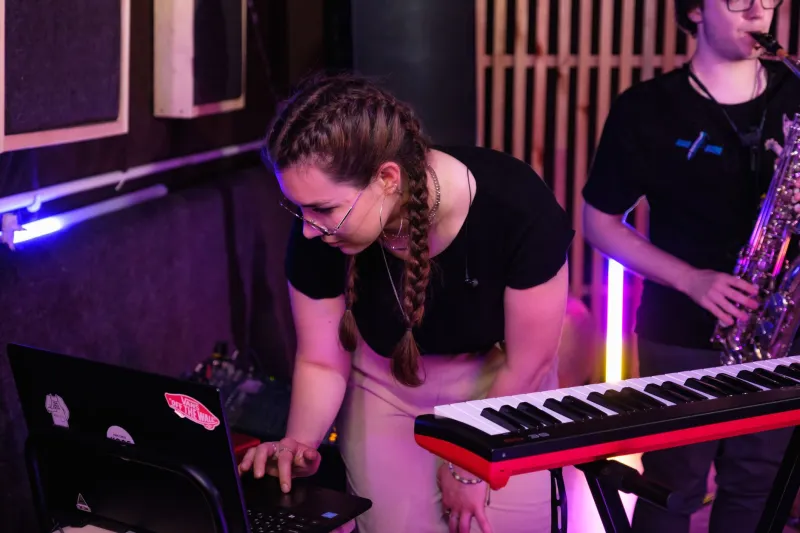
There was a time when a feature credit meant you showed up, dropped a verse, cashed a check, and went home. It was a side hustle, a favor, maybe a flex. The real music — the stuff that moved the needle — was your solo project. Your album. Your single. Your moment.
That time is over.
In 2024 and beyond, the feature slot has become one of the most strategically valuable pieces of real estate in the entire music industry. Artists are no longer treating collaborations as filler between albums. They're building entire careers on them — and some of the fastest-rising names in the game right now owe their breakthrough not to a solo drop, but to a perfectly placed verse on someone else's record.
The Math Has Changed
Let's talk about how discovery works in the streaming era. When you drop a solo single, you're essentially marketing to your existing audience. You're preaching to the choir. Your Spotify followers get a notification, your Instagram fans share it, your playlist placements hopefully introduce you to a few new ears. It's solid, but it's incremental.
Now imagine you land a feature on a track with an artist who has a completely different fanbase — different demographics, different geography, different listening habits. Overnight, you're not just reaching your people. You're reaching their people. And if you bring something memorable to that song, those listeners are going to go digging through your catalog before the track even stops playing.
This is what music industry folks are starting to call the "collab economy" — a shift where the value of a well-placed feature rivals, and in some cases surpasses, the impact of a full solo release. The numbers back it up. Collaborative tracks consistently outperform solo releases in first-week streaming numbers, and they tend to have longer shelf lives on algorithmic playlists because they draw from multiple artist pools simultaneously.
Rising Artists Are Playing Chess, Not Checkers
Talk to any emerging artist who's been building momentum over the past couple of years and you'll start to hear a pattern. Strategic collabs aren't an accident — they're a plan.
Artists in the indie R&B and rap spaces especially have been leaning into this hard. Rather than saving their best material for a solo EP that might get buried in a crowded release week, they're seeding their sound across multiple projects — appearing on mixtapes, SoundCloud drops, and Bandcamp releases from artists in adjacent lanes. Each appearance is essentially a calling card, a sample of what they bring to the table.
Remix culture plays into this too. When an artist hops on a remix of a trending track, they're not just riding a wave — they're attaching their name to a song that already has algorithmic momentum. Platforms like Spotify and Apple Music favor tracks with existing engagement, so jumping on a hot remix can land you in editorial playlists you'd never reach with a cold solo drop.
The Trust Economy Behind Every Feature
Here's something that doesn't get talked about enough: collaborations are also about credibility transfer. When a respected artist co-signs you by putting your name on their project, their fanbase extends a degree of trust to you by default. You didn't have to earn it from scratch — you inherited it through association.
This is especially powerful in genre communities that are tight-knit and skeptical of outsiders. Country, jazz, gospel, underground hip-hop — these scenes have gatekeepers, and getting a feature from the right person is often the fastest way to get through the door. It's not about clout-chasing. It's about being vouched for by someone the community already respects.
Streaming Platforms Are Literally Built for This
It's worth noting that the infrastructure of modern music distribution actively rewards collaborative releases. Spotify's artist radio, Apple Music's "listeners also like" algorithms, YouTube's recommendation engine — all of these systems cross-pollinate audiences when multiple artists are attached to a single track. You're not just getting one artist's audience; you're getting the platform's best guess at the union of both fanbases.
And then there's the social media amplification layer. When two artists drop a collab, you don't just get one artist posting about it — you get both of them, their teams, their friends, their communities. The organic reach doubles before a single dollar of promotional spend enters the picture.
What This Means for How Artists Build
The practical takeaway here is significant. If you're an artist trying to figure out how to grow in a landscape that feels impossibly crowded, the answer might not be to drop more solo material. It might be to get strategic about who you're creating with.
That doesn't mean saying yes to every collaboration request that hits your inbox. The best moves are intentional — artists who share an aesthetic, who bring out something different in each other, who have audiences that would genuinely enjoy the crossover. A feature that feels forced or purely transactional tends to land flat no matter how big the names involved are.
But when the chemistry is real? When two artists genuinely push each other into territory neither would've reached alone? That's when a collab stops being a marketing tactic and starts being art. And great art, distributed smartly across two fanbases, tends to travel pretty far.
The single isn't dead. But the feature might be what saves your career.